Fashion Photography in Paris: A Guide by DMJ Visual

Paris is not just the fashion capital of the world; it is a canvas for creativity, elegance, and style. For photographers, especially those specializing in fashion, the city offers a unique blend of historic architecture, vibrant street life, and iconic landmarks that create the perfect backdrop for stunning visuals. In this guide, we will explore the essential elements of fashion photography in Paris, providing you with practical tips, location suggestions, and insights to elevate your photography game.

Understanding the Essence of Fashion Photography
Fashion photography is more than just capturing clothing; it is about telling a story through images. The essence of fashion photography lies in its ability to evoke emotions, showcase artistry, and highlight the personality of the subject. In Paris, this art form flourishes due to the city's rich cultural heritage and its status as a hub for fashion innovation.
The Role of Location
Choosing the right location is crucial in fashion photography. Paris boasts a plethora of stunning spots that can enhance your photos. Here are some iconic locations to consider:
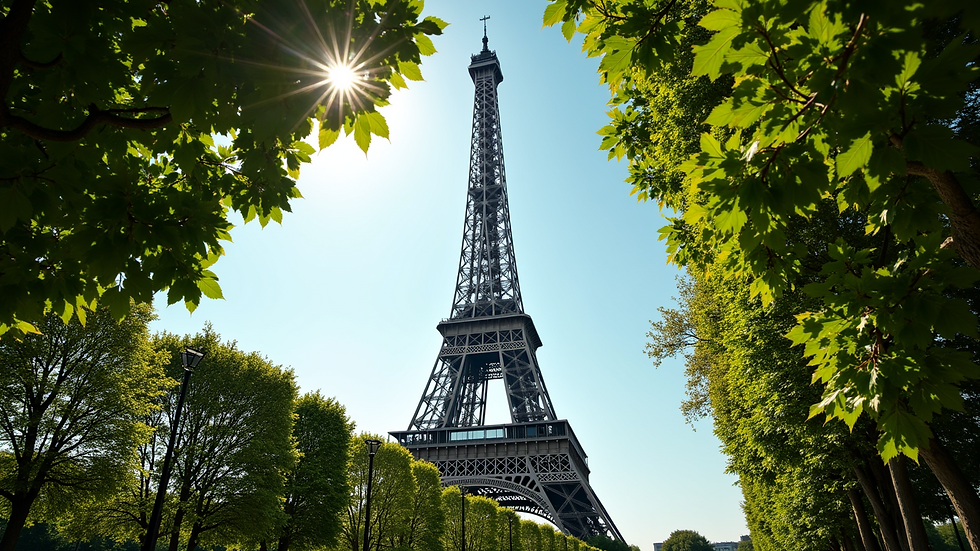
Eiffel Tower: A symbol of romance and elegance, the Eiffel Tower provides a breathtaking backdrop for any fashion shoot.
Montmartre: Known for its artistic vibe, this neighborhood offers charming streets and vibrant murals that add character to your images.
Louvre Museum: The glass pyramid and historic architecture create a striking contrast with modern fashion.
Seine River: The picturesque bridges and waterfront views make for a serene setting.
Lighting Techniques
Lighting plays a pivotal role in photography. In Paris, natural light can be your best friend. Here are some tips for utilizing light effectively:
Golden Hour: Shoot during the golden hour, shortly after sunrise or before sunset, to capture soft, warm light that flatters your subject.
Shadows: Use shadows creatively to add depth and drama to your images. The interplay of light and shadow can enhance textures and shapes in clothing.
Reflectors: Carry a portable reflector to bounce light onto your subject, especially in shaded areas.
Styling Your Shoot
Fashion photography is all about styling. The right outfit can make or break a shoot. Here are some styling tips to consider:
Wardrobe Selection
Trendy vs. Timeless: Choose outfits that reflect current trends while also considering timeless pieces that won’t look dated in a few years.
Color Palette: Opt for colors that complement the Parisian backdrop. Soft pastels or bold primary colors can create striking contrasts against the city’s architecture.
Accessories: Don’t forget the power of accessories. Hats, scarves, and statement jewelry can elevate a simple outfit.
Collaborating with Stylists and Models
Working with a stylist can help you achieve a cohesive look for your shoot. A stylist can assist in selecting outfits, coordinating colors, and ensuring that everything aligns with your vision. Additionally, collaborating with models who understand the fashion industry can bring your concepts to life.
Capturing the Moment
Once you have your location, lighting, and styling sorted, it’s time to capture the moment. Here are some techniques to keep in mind:
Composition Techniques
Rule of Thirds: Use the rule of thirds to create balanced and engaging compositions. Position your subject off-center to draw the viewer's eye.
Leading Lines: Utilize leading lines, such as pathways or architectural elements, to guide the viewer's gaze toward your subject.
Framing: Frame your subject with elements in the environment, such as doorways or trees, to add depth to your images.
Posing Your Subject
Directing your model is key to achieving natural and dynamic poses. Here are some tips:
Movement: Encourage your model to move naturally. Candid shots often convey more emotion than stiff poses.
Expressions: Guide your model to express different emotions. A genuine smile or a contemplative look can add layers to your images.
Angles: Experiment with different angles. Shooting from above or below can create unique perspectives.
Post-Production Techniques
Once your shoot is complete, the next step is post-production. Editing can enhance your images and bring your vision to life. Here are some essential editing tips:
Color Correction
Adjust the color balance to ensure that the hues in your images are true to life. Pay attention to skin tones and the colors of the clothing.
Retouching
While it’s important to maintain authenticity, some retouching can enhance your images. Focus on smoothing out skin imperfections and enhancing the details in clothing.
Consistency
Maintain a consistent editing style across your portfolio. This helps in establishing your brand as a fashion photographer.
Building Your Portfolio
A strong portfolio is essential for any photographer. Here are some tips for building a compelling fashion photography portfolio:
Curate Your Best Work
Select your best images that showcase your style and versatility. Aim for a mix of different locations, outfits, and moods.
Tell a Story
Arrange your images in a way that tells a story. This could be through a thematic approach or a chronological sequence of a fashion journey.
Online Presence
Create an online portfolio to showcase your work. Use platforms like Instagram, personal websites, or photography communities to reach a wider audience.
Networking in the Fashion Industry
Networking is crucial in the fashion industry. Building relationships with other photographers, stylists, and models can open doors to new opportunities. Here are some strategies:
Attend Fashion Events
Participate in fashion shows, exhibitions, and networking events in Paris. These gatherings are great for meeting industry professionals and showcasing your work.
Collaborate
Collaborate with other creatives on projects. This not only enhances your portfolio but also helps you build valuable connections.
Social Media Engagement
Engage with other photographers and fashion enthusiasts on social media. Share your work, comment on others’ posts, and participate in discussions to increase your visibility.
Conclusion
Fashion photography in Paris is a thrilling journey filled with creativity and inspiration. By understanding the essence of fashion photography, mastering your techniques, and building a strong network, you can create stunning visuals that capture the spirit of this iconic city. Remember, the key is to tell a story through your images, showcasing not just the clothing but the emotions and experiences that come with it. So grab your camera, explore the streets of Paris, and let your creativity shine.



Comments